
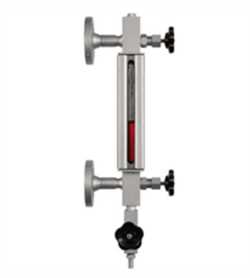
Nom du Produit: KSR Kuebler LGG Glass Level Gauge
Marque: KSR Kuebler
Code Produit: LGG
Mots-clés: KSR Kuebler
Kuebler Level Gauge
Kuebler Level Gauge
KSR LGG Glass
LGG Glass Gauge
LGG Level
Kuebler LGG Glass Level
Glass Level
KSR Kuebler LGG Level
KSR LGG Level Gauge
Glass Gauge
KSR Kuebler LGG Glass Level Gauge
KSR Kuebler Glass Level Gauge
KSR Kuebler LGG Glass Level Gauge
Kuebler LGG Gauge
KSR LGG Gauge
Kuebler LGG Glass Level
Kuebler Level
Kuebler LGG Glass Gauge
Glass Level Gauge
Êtes-vous intéressé par le produit KSR Kuebler LGG Glass Level Gauge du fabricant KSR Kuebler avec le code LGG? Contactez-nous maintenant et obtenez une offre. Imtek Engineering, le fournisseur d\'équipements industriels le plus rapide et le plus fiable au monde, vous offrira la meilleure offre!
Obtenez une offre par e-mail: info@im-tek.com
Obtenez une offre pour KSR Kuebler LGG Glass Level Gauge de notre équipe de support en direct maintenant!
Applications of the glass gauge Continuous level indication without supply voltage Direct indication of the level Individual design and corrosion-resistant materials make the products suitable for a broad range of applications Chemical industry, petrochemical industry, oil and natural gas extraction (on- and offshore), shipbuilding, machine building, power generating equipment, power plants Oil and gas, heat transfer and refrigeration systems, plants for cryogenics Special features of the glass gauge Process- and procedure-specific production Operating limits:- Operating temperature: -196 ... +374 °C 1)- Operating pressure: Vacuum to 250 bar 1) Wide variety of different process connections and materials Illumination optional Heating and/or insulation optional 1) Individual limit values. For application limits, the joint consideration of temperature and pressure is required! Description of the glass gauge The main element of the glass level gauge is the gauge body. Incorporated into this gauge body are the liquid channel (if necessary the heating channel) and the seating faces for the chambered seals and sight glasses. Onto the gauge body are mounted, or are already integrated, the valve heads and process connections. Drain or vent are also possible. The glasses and/or mica shields as well as the seals are fitted, secured and sealed with the aid of U-bolts and covers or pressure frames. Glasses from borosilicate glass in accordance with DIN 7081 are used. For steam, the glasses can be used up to 243 °C, with mica design to 300 °C. For other media, temperatures up to 300 °C are possible, in special cases up to 374 °C. The use of mica is needed for specific applications.