
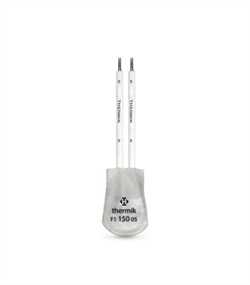
Nom du Produit: Thermik SF1-125.05 0300/0300 Temperature Limiting Switches
Marque: Thermik
Code Produit: SF1-125.05 0300/0300
Mots-clés: Thermik
SF1-125.05 0300/0300
SF1-125.05 0300/0300 Temperature Limiting
SF1-125.05 Limiting Switches
Thermik 0300/0300 Limiting Switches
Temperature
SF1-125.05
Thermik SF1-125.05 Temperature Limiting Switches
Thermik SF1-125.05 0300/0300 Limiting
SF1-125.05 Temperature Limiting
0300/0300 Temperature Limiting Switches
Thermik Temperature Switches
Thermik SF1-125.05 Switches
Thermik Temperature
SF1-125.05 0300/0300 Temperature Limiting Switches
SF1-125.05 Temperature Switches
SF1-125.05 0300/0300 Switches
Thermik SF1-125.05 Temperature Switches
Thermik SF1-125.05 Limiting
SF1-125.05 Temperature Limiting Switches
Temperature Limiting Switches
Êtes-vous intéressé par le produit Thermik SF1-125.05 0300/0300 Temperature Limiting Switches du fabricant Thermik avec le code SF1-125.05 0300/0300? Contactez-nous maintenant et obtenez une offre. Imtek Engineering, le fournisseur d\'équipements industriels le plus rapide et le plus fiable au monde, vous offrira la meilleure offre!
Obtenez une offre par e-mail: info@im-tek.com
Obtenez une offre pour Thermik SF1-125.05 0300/0300 Temperature Limiting Switches de notre équipe de support en direct maintenant!
Thermal Protector SF1The switch mechanism of Type F1 is comprised of five primary parts: 1) a conductive housing, 2) a steel contact cover with stationary contact, 3) a snap-action spring disc, 4) a movable contact, and 5) a bimetallic disc. The conductive housing and steel contact cover form the enclosure, to lock the self-aligning switch mechanism in place. The cover is insulated from the housing, and closes it to appear like a button cell. The snap-action spring disc is the current transfer element and bears the movable contact. It conducts the current flow and self-heating from the bimetallic disc by exercising consistent, steady contact pressure. The bimetallic disc floats within the thermal protector and the movable contact extends through the center of the bimetallic disc without being welded or riveted. When the rated switching temperature is reached, the bimetallic disc snaps into its inverted position and pushes the spring disc downwards. The contact is abruptly opened and the temperature rise of the device being protected is disrupted. If the ambient temperature then falls, the bimetallic disc snaps back into its original position, and the contact is once again closed. The thermal protector may be covered with insulation, mounted into another housing, or left uninsulated. See specifications and ranges described below.