Need Help? Chat with us on WhatsApp - We're here to assist you!
FAST DELIVERY FROM GERMANY TO WORLDWIDE
nohken-r7-x-220-vac-50-60-hz-level-sensor_63144.jpg

Quantity :

Request an Offer

97% customer satisfaction based on last 45 days of sales

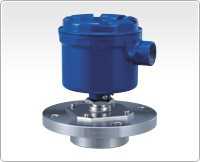
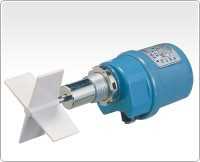
Nohken R7 Series Level Sensor

Ask for Stock

Brand:
Product Code:
R7-X 220 VAC 50/60 Hz Level Sensor

Order Processing & Delivery Information:
As we supply industrial equipment, product availability and delivery timelines may vary. Once your order is placed, our sales team will contact you within 24 business hours (excluding weekends and holidays) to confirm stock status and estimated delivery time.


🎯 Need a Quote for Nohken R7 Series Level Sensor?

Get the best price and fastest delivery for Nohken R7 Series Level Sensor from Nohken. Imtek Engineering offers worldwide industrial equipment supply with expert support.
Details:

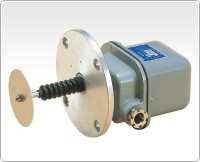
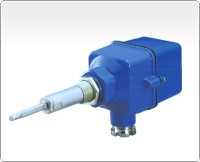
R7-Z  R7-ZLR7-X  R7-XL  R7-XTExtremely compactCompact and lightweight with miniature motors and plastic components.Easy torque adjustmentRemove the cover, and change the spring position. That:s all need to be done for the best torque.“Slip” mechanismA durable magnetic “Slip” mechanism protects the motor from excessive force applied to the paddle.Easy maintenanceThe internal components can be removed with the sensor mounted on the tank.

Principle of Operation

The paddle inserted in a hopper rotates slowly to detect material presence.

Without material around the paddle

Spindle and paddle, connected to the motor via the slip mechanism, slowly rotates as the motor rotates.

With material around the paddle

Paddle rotation is impeded by the material, and the motor revolves with the spindle as its axis. The motor revolution causes the pin on the motor to actuate the microswitch, turning on the signal output and turning off the motor rotation. This gives an output signal and stops the motor revolution simultaneously.

Reset

When the material descends and the paddle is no longer covered by it, the pin on the motor returns to its original position by the spring force, causing the microswitch to reset and then the motor and the paddle to resume rotation.

Slip mechanism

When the spindle is forced to rotate due to for example downward flow, the slip mechanism on the connection of the motor shaft and the spindle makes the spindle ‘slip’. This prevents forced rotation of the motor and protects the motor from damage.