
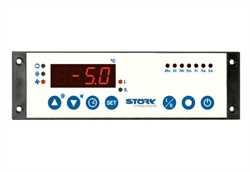
Product Name: Störk Tronic ST181-VL4KA.12 2xPTC 230AC K123 10W/24V RTC 900223.015 Controllers for Cooling Applications
Brand: Störk Tronic
Product Code: ST181-VL4KA.12 2xPTC 230AC K123 10W/24V RTC
Tags: Störk Tronic
Artikel: 900223.015
Controllers for Cooling Applications
您对制造商Störk Tronic的产品Störk Tronic ST181-VL4KA.12 2xPTC 230AC K123 10W/24V RTC 900223.015 Controllers for Cooling Applications,代码为ST181-VL4KA.12 2xPTC 230AC K123 10W/24V RTC感兴趣吗?立即联系我们获取报价。Imtek Engineering,世界上最快最可靠的工业设备供应商,将为您提供最佳报价!
Get Offer With E-Mail: info@im-tek.com
Get a offer for Störk Tronic ST181-VL4KA.12 2xPTC 230AC K123 10W/24V RTC 900223.015 Controllers for Cooling Applications from our live support team now!
TECHNICAL DATAHousing dimension ST181 Front: 180x52mmPower supply 230V ACSwitching inputs noneNumber of outputs 3Sensor type PTCST-Bus available NoSoftware 12PRODUCT DESCRIPTIONThe cooling controller ST181-VL4KA.12 is a control unit specifically designed for 24V DC ventilation adjustment. The maximum ventilation power is 10W. The number of revolutions can be decreased to 20% and thus create a minimum air speed. Due to the galvanic separation of the ST181-controller the low-voltage ventilator can also be safely operated in a wet environment.The three switching outputs with our proven 16A relay allow complete operation of the cooling circle as well as further additional features, as for example the lighting and many other functions.The timer allows a 1-week time management for the defrosting periods as well as for setting the cooling chamber temperature at night or on the weekend. With regard to the parameter level, programming of this timer is easy and user-friendly. The actual time can be re-set simply directly on the operator surface.