
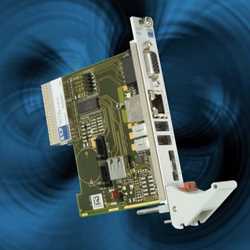
Produktname: EKF CCT-RIO Rear I/O Transition Module
Marke: EKF
Produktcode: EKF CCT-RIO Rear I/O Transition Module
Stichwörter: EKF
CCT-RIO Rear Transition
EKF CCT-RIO I/O Module
EKF Rear Transition Module
I/O Transition Module
CCT-RIO Rear
Transition Module
EKF CCT-RIO Rear I/O
CCT-RIO Module
EKF Rear Module
CCT-RIO Rear I/O Transition Module
EKF CCT-RIO Rear I/O Module
EKF CCT-RIO Transition
Rear I/O
CCT-RIO I/O Transition Module
EKF I/O Transition
EKF Rear I/O Transition Module
EKF Rear I/O
Artikel: CCT-RIO
EKF CCT-RIO Rear I/O Transition Module
Interessieren Sie sich für das Produkt EKF CCT-RIO Rear I/O Transition Module vom Hersteller EKF mit dem Code EKF CCT-RIO Rear I/O Transition Module? Kontaktieren Sie uns jetzt und holen Sie sich ein Angebot. Imtek Engineering, der schnellste und zuverlässigste Lieferant von Industrieausrüstung der Welt, wird Ihnen das beste Angebot machen!
Angebot per E-Mail erhalten: info@im-tek.com
Holen Sie sich jetzt ein Angebot für EKF CCT-RIO Rear I/O Transition Module von unserem Live-Support-Team!
Available as a rear I/O expansion board to the CCD-CALYPSO CPU card, the CCT-RIO is provided with several I/O port connectors, to be used either in addition to the CCD front panel connectors or alternatively. Being mainly a passive rear I/O transition module, groups of signals from the CCD-CALYPSO CPU board are passed across the CompactPCI J2/P2 connector to the CCT-RIO. Some of the data lines are available locally on the CCT board for system internal wiring only, while other connectors such as VGA-Video and Gigabit Ethernet are mounted into the back panel for external use. USB and SATA (eSATA) channels are provided both onboard and externally.Typically the CCT-RIO ist equipped with a 4- HP rear panel (20.3mm width). As a custom specific option, an 8-HP panel is available with additional connectors. Utilization of the CCT-RIO transition module adds a level of I/O functionality that is not available with the CCD-CALYPSO CPU board alone. Further on, swapping the CPU card is simplified by means of rear I/O, which is important for efficient system maintenance (MTTR)